-
Energy
4
-
Technical Trend
4
-
New innovative Material
5
-
Technical Solution
28
-
Flooring Solutions
12
-
Waterproofing Solutions
3

Potential applications of RFID technology in healthcare asset tracking
In 2023, the hospital asset tracking market is estimated at $14.5 billion and is expected to reach $69 billion by 2033 at a CAGR of 16.8%. Hospital asset tracking adoption is on the rise as healthcare organizations strive to decrease asset search time, automate asset management workflows, and optimize an asset procurement strategy.
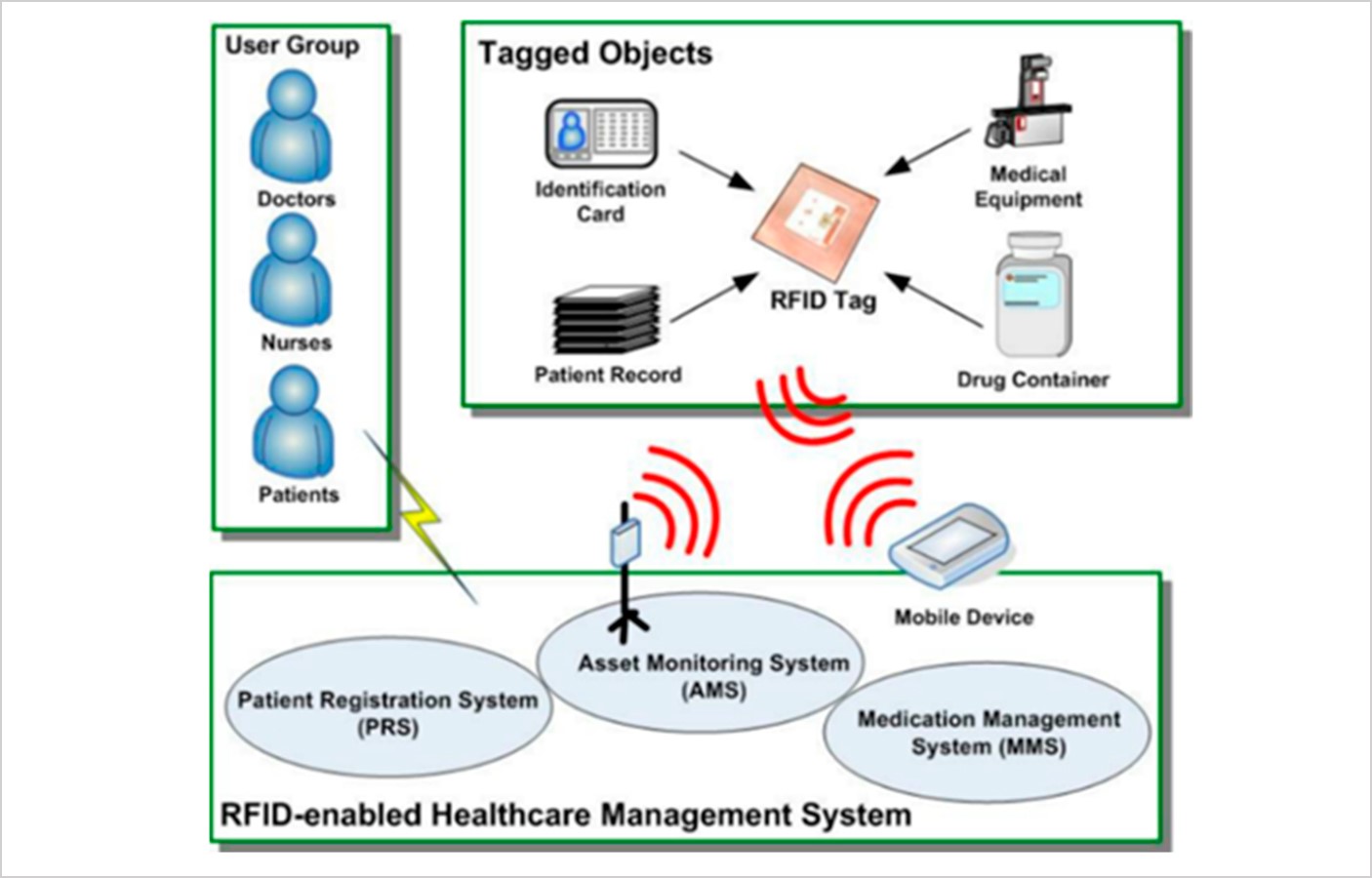
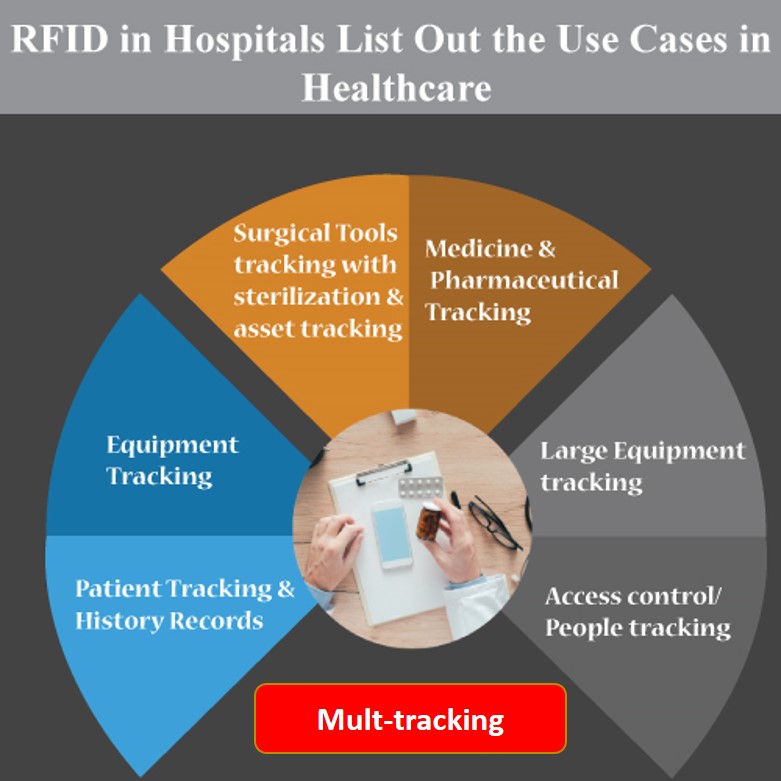
Hospital asset tracking systems are widely used for medication, tools, and equipment monitoring. They can substantially decrease the loss of hospital assets, cut asset search time, provide real-time data on the assets’ use, help monitor medications storage conditions and plan equipment maintenance.
Nowadays, there are many technologies that can be used for asset tracking: BLE trackers, barcodes, QR codes, etc. However, when it comes to hospitals, RFID has proven to be one of the most efficient options: it provides real-time asset location data, allows tracking everything from PPE to medical instruments and devices, and is rather cost-efficient ($1.1 for an embedded mini RFID tag designed to withstand harsh environments).
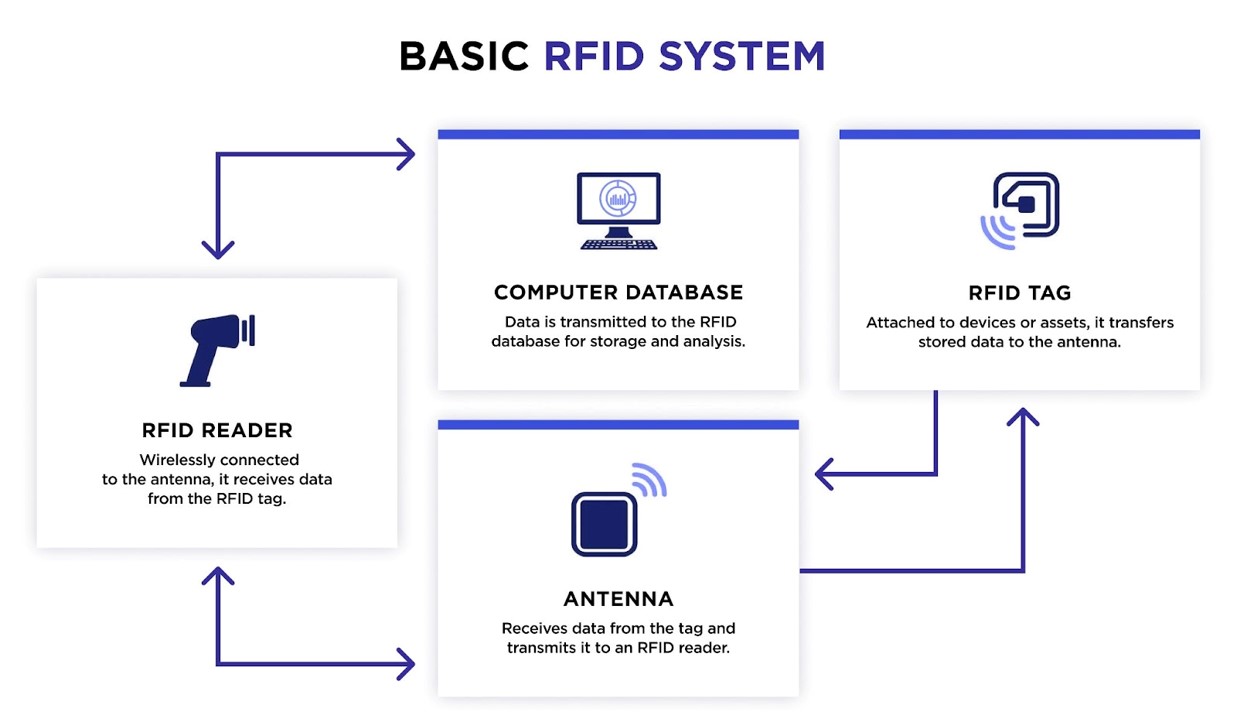
- RFID tags are attached to hospital assets or embedded into them and share asset location with RFID readers. They can be either active (have an embedded power source and actively send data) or passive (reflect the electromagnetic waves of a reader).
- RFID readers get the asset location information from RFID tags and send it on to the cloud server via the firewall. ScienceSoft recommends locating the readers in hospital corridors, rooms, etc.
- Big data warehouse stores structured data needed for the analysis of hospital asset use, movement, etc.
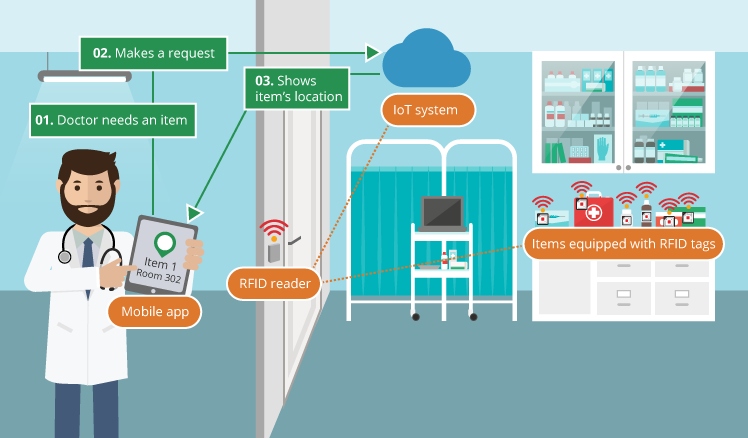
- Staff application for nurses, doctors, technicians, etc. Enables them to access the hospital asset tracking system, request an asset, get information on its location, use, etc.
- Admin application allows viewing the list of tracked assets and information about them, adding new assets, editing asset data, granting access rights to the medical and administrative staff, etc.
Which assets can be tracked?
 |
 |
 |
||
| Medical tools | Medications | Medical devices and equipment tracking | ||
| The hospital asset tracking system helps locate disposable supplies (e.g., boxes of gloves, packs of syringes) and reusable medical tools (e.g., scalpel, scissors, retractors) and track vital information on their use (e.g., expiration dates, data on sterilization). The system analyzes the asset use and provides practical insights helping improve inventory management accuracy and efficiency. | The hospital staff can get information on the location, quantity, and expiration dates of medication to ensure medication distribution control, reduced search times, and minimized medication shortage risks. In the asset tracking solution, medical personnel can also access medicine use instructions to avoid medical errors. | The hospital asset tracking system helps control the use and availability of diagnostic medical devices or life-support equipment (e.g., artificial lungs ventilation machines, kidney dialysis machines) and track information on asset location, length of use, maintenance schedule, etc. The medical staff can access a device or equipment only if authorized and check the description of its intended use in the asset tracking solution. |
Should You Choose a Custom Hospital Asset Tracking Solution?
When healthcare orgs need to implement an IoT asset tracking solution quickly, useful software may seem to be a cost-effective option. However, in the long run, custom solutions prove to be more efficient. ScienceSoft’s healthcare IT consultants recommend to opt for a custom hospital asset tracking solution when you have the following needs:
Asset requests and real-time location tracking: In the asset tracking system, a medical specialist (e.g., a nurse, a doctor) can place a request for a necessary medical item. The IoT system shows the asset’s location in the hospital and records when the asset is being used.
Medical assets data storage : The tracking software stores medical asset data like description, expiration/maintenance date, names of the medical specialists who recently used it, use duration, etc. The asset information can be accessed or edited by the medical staff with appropriate role-based rights.
Analytics and reporting on asset utilization : The asset tracking information is analyzed to identify asset use patterns, predict demand for the asset, optimize its use, and more. The insights are presented on an admin dashboard (e.g., for hospital supply managers).
Inventory quality control and maintenance : The asset tracking system stores shelf life data on medications and disposable tools, detects assets with close expiration dates, and alerts the responsible personnel. Also, the system sends notifications when the regular maintenance of complex equipment (e.g., CT scanners) is needed.
Asset security monitoring : For medical staff, the access to the asset location is role-based. The system records the actions of users and identifies suspicious asset requests that can threaten their security and alerts the responsible managers (e.g., hospital supply managers, heads of hospital units) on the use of assets without proper requests.
How Much Does It Cost to Implement Healthcare Asset Tracking?
As our experience, the development of a custom hospital asset tracking solution takes from 3-6 months and depends on the project scope and the solution’s functional complexity.
Core cost factors
- The scope and complexity of hospital asset tracking functionality (advanced features like asset utilization analytics will increase the software cost).
- The use of ready-made components to build a hospital asset tracking system (e.g., AWS IoT services) or fully custom development.
Cost factors associated with the equipment
- RFID tags (active and/or passive).
- RFID readers.
- Initial equipment installation.
Operational costs
- Cost of cloud services for hospital asset tracking software (e.g., for data analytics).
Benefits of Healthcare Asset Tracking by RFID

 Saved money and improved ROA thanks to automated inventory management, reduced asset loss, timely equipment maintenance. Large health systems can save up to $500,000 per year thanks to medical asset tracking solutions.
- The critical equipment and appliances will be protected from unauthorized usage or misplacement.
- RFID tags outperform barcodes in terms of security as they are difficult to copy or duplicate.
- Automated medical equipment usage reports: weekly, monthly, and on-demand information on how different departments use hospital items to discover missing or underutilized assets.
Stock-out prevention due to real-time hospital asset inventory visibility and asset quality control.
- Minimizing the time spent on organizing lab vials
- Tracking and keeping records of medicines within the hospital or specific rooms in real-time
Fast and accurate inventory audit and reduced asset search time. After implementing RFID medical equipment tracking, the audit assets 300 times faster and accounted for 90+% of their inventory (comparing to 65% before RFID use).
- Accurate labeling and identification of laboratory vials
- Track and locate medical utensils and large equipment between rooms, patient rooms or emergency rooms.
- Collecting and archiving data of blood units, bags, body fluid samples accurately
- Tracking of lab results
- Transporting critical blood/liquid samples with maximum accuracy of personal details
Improved staff satisfaction thanks to automation of the routine tasks not related to the patient care. Over 50% increase in nurse satisfaction rate after launching an asset tracking system.
- By reducing human-made errors, the administration of the hospital becomes smoother, and the patient experience improves.
Key Solution Components
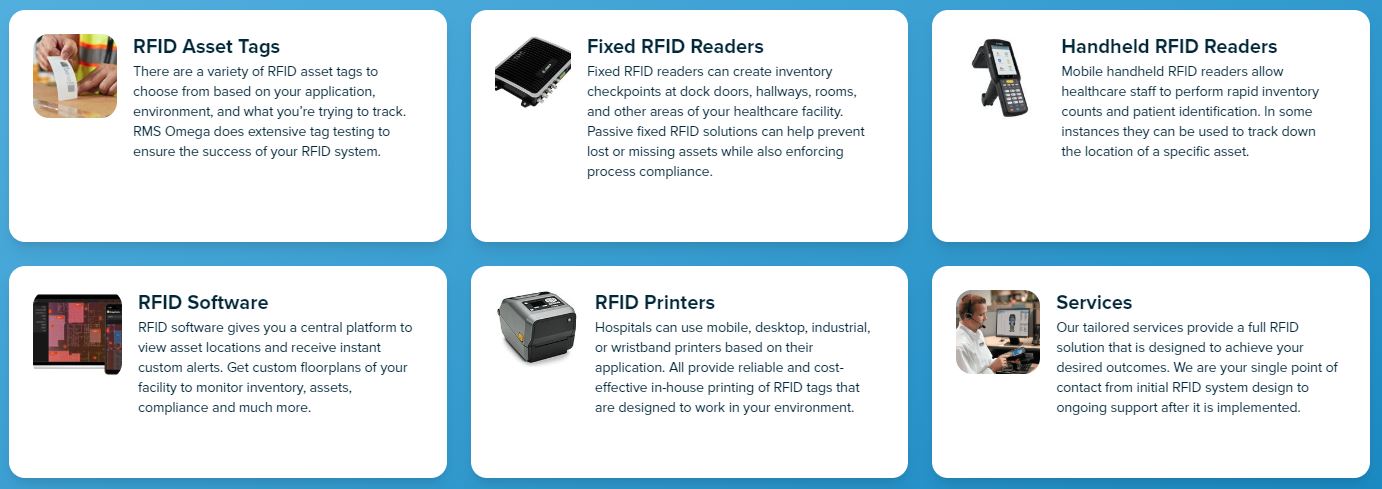
Our premier partnership with manufacturers and product certifications allow us to offer a variety of healthcare technologies and solutions to fit your needs.